
Postdoctoral Researcher, B-PHOT Biophotonics
PhotonHub project with Vivid-DX (Oxford): bacterial ID & AST via SERS,
Leading EIC VortexLC valorization (polymeric SERS patent EP25195254.5)
Education:
- Doctor of Philosophy in Photonics Engineering
(Vrije Universiteit Brussel 2020–2025)- Thesis title: SERS-Based Lab-on-a-Chip for Machine-Learning-Enabled Bacterial Screening
- Collaborated with Antwerp, Gent, and Brussels University Hospitals to integrate nanophotonics technologies into medical solutions
- Developed novel nanobiosensors for cell/macromolecule studies
- Contributed to 8 research articles and 1 patent
- Master of Science in Photonics Engineering
(Vrije Universiteit Brussel and Ghent University 2018-2020)- Achieved “High honors” overall GPA of 16.2/20
- Specialized in Biophotonics at Lund University
- Interned in medical imaging at Strasbourg University, Institute Surgery Guided Par L’image
- Bachelor of Science in Physics
(Shiraz University 2013-2018)- Ranked 5th in Photonics Entrance Exam 2018
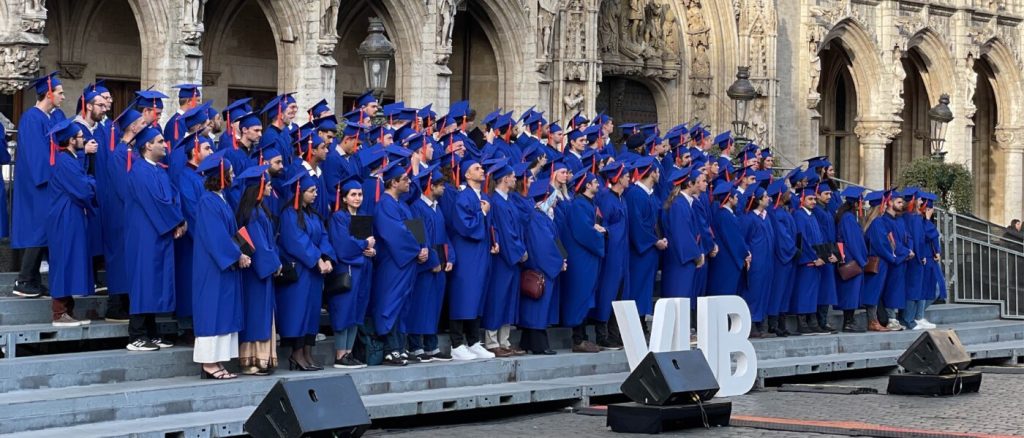
Research Group: B-PHOT Biophotonics Team

I am a member of the Biophotonics group within the Brussels Photonics (B-PHOT) team, led by Prof. Heidi Ottevaere. The group comprises approximately 10 researchers specializing in nanophotonics, spectroscopy, microfluidics, fluorescence and holographic imaging, and plasmonics. Our research focuses on developing and applying these technologies to critical challenges in bacterial infections, hemoglobinopathies, environmental monitoring, and food safety.
PhD research topic (2020-2025):
SERS-Based Lab-on-a-Chip for Machine-Learning-Enabled Bacterial Screening
Ph.D. Thesis @ Vrije Universiteit Brussel’s B-PHOT (Brussels Photonics Team)
Oct 2020 – Mar 2025
Supervisors: Prof. Heidi Ottevaere, Prof. Wendy Meulebroeck, Dr. Qing Liu
Bacteria are ubiquitous in our environment, frequently encountering us through food, air, and medical procedures. While many bacteria are harmless or beneficial, pathogenic bacteria can cause severe infections. Bacterial infections pose significant challenges to global healthcare systems, particularly in critical settings like hospital-acquired pneumonia (HAP) and bloodstream infections. Accurate bacterial detection and identification in clinical samples are crucial for diagnosis, prognosis, and targeted antibiotic treatment.
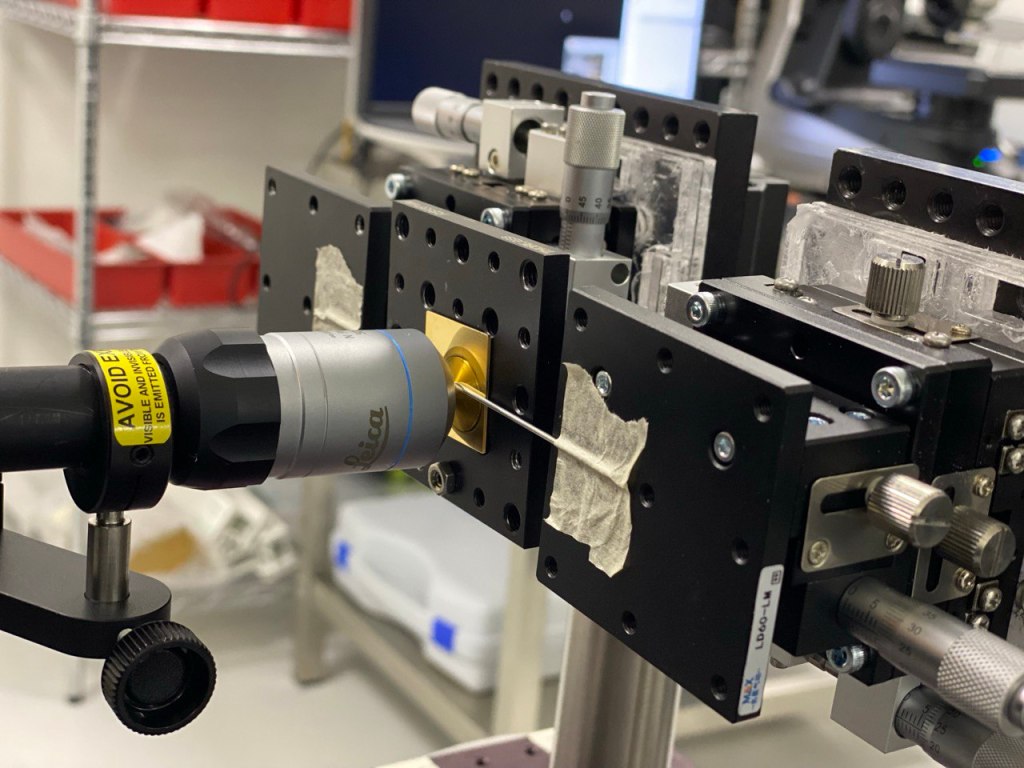
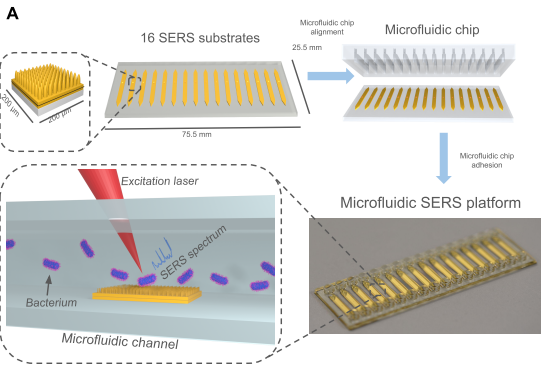
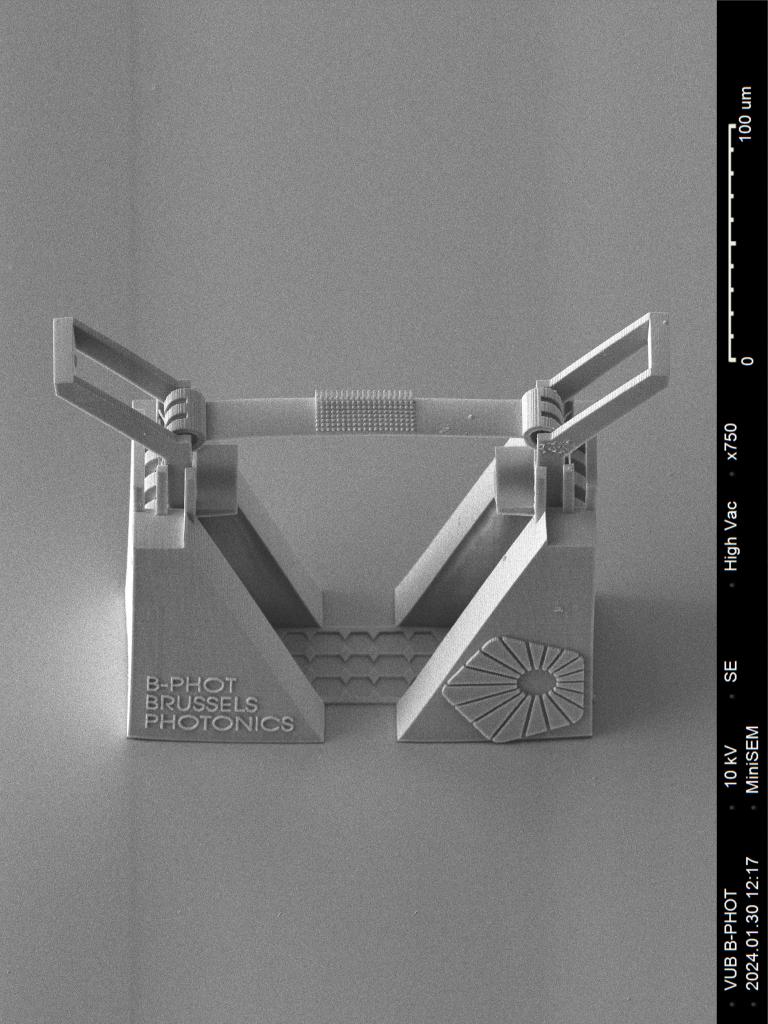
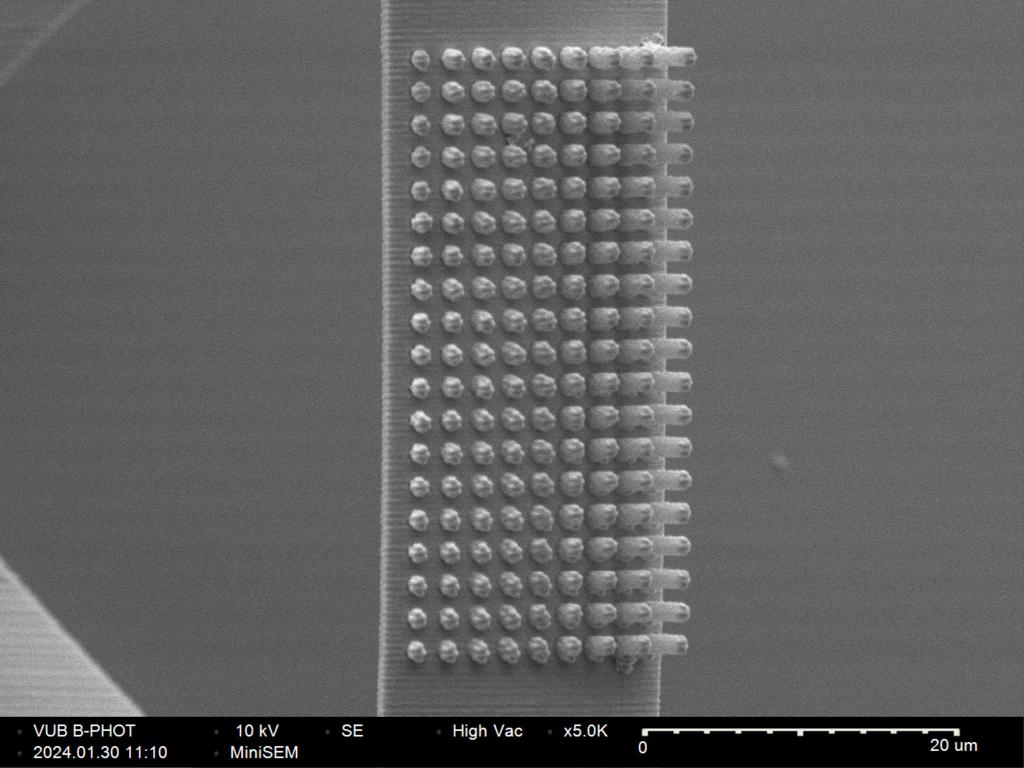
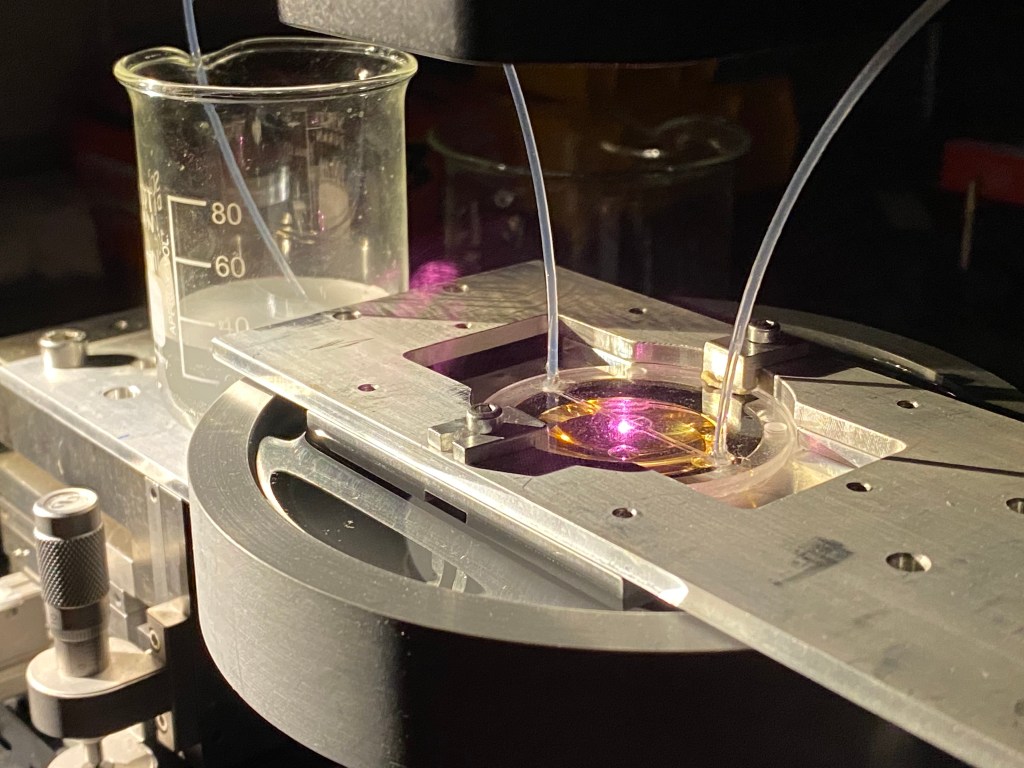
This research tackles these challenges through a novel SERS-integrated optofluidic platform, combining advances in SERS substrate fabrication, microfluidics, and machine learning-driven spectral processing. The ultimate outcome of this research is a foundational platform for bacterial screening that can potentially improve our understanding of bacterial biochemical interactions, streamline antibiotic susceptibility testing by reducing turnaround times, and contribute to the development of new antibiotics.


1


2

Other Experiences:
1 – Raman Readout of In-Vitro Models Used for Drug Development
(01/2020-07/2020)
Supervisors: Prof. Heidi Ottevaere, Prof. Wendy Meulebroeck, Dr. Tatevik Chalyan, Dr. Qing Liu, M.Sc. Thesis Project – VUB
This research project aims to develop a rapid, high-throughput technique using Raman read-out within a microfluidic system to monitor liver cell behavior and lipid content. The goal is to predict drug-induced liver injury (DILI) in a shorter time frame, potentially preventing costly, lengthy drug tests that can abruptly end due to hepatotoxicity. The study explores optical detection and cell culturing methods, emphasizing the importance of maintaining a 3D cell culture. Raman spectroscopy emerges as the optimal method for dynamic monitoring, despite its typical weak signals and low signal-to-noise ratios. De-noising algorithms like Kalman and Savitzky-Golay filtering significantly improve Raman’s signal quality, doubling the limit of detection based on both self-generated and experimental data. Simulation using COMSOL Multiphysics confirms that the microenvironment within the microfluidic chip supports cell culturing without causing excessive stress or heat deposition from laser radiation.
2 – Dual Oxygenation and Perfusion Measurement for Real-Time Metabolism Imaging during Surgery
(01/2020-07/2020)
Supervisors: Prof. Sylvain Gioux, Dr. Joseph Angelo, Internship – Strasbourg University (IHU Medical Imaging Center)
Surgeons currently rely on subjective assessments, leading to high failure rates and care discrepancies. The research hypothesis focuses on near-infrared light’s ability to interact with tissue components, offering data on perfusion, oxygenation, hydration, and metabolism. During this internship, two endogenous imaging modalities are combined in order to obtain information regarding the local metabolism in living tissues. More particularly, oxygenation imaging using spatial frequency domain imaging (SFDI) will be combined with the imaging of perfusion using speckle imaging. The outcome of this project was an optimized protocol for a clinical phantom capable of perfusion with artificial blood. The phantom was used to show a proof of concept.
3 – DL Spectroscopic Data Processing
(08/2024-11/2024)
Supervisors: Dr. Amir Feizpour, Free-lancing for Aggregate Intellect (ai.science)
Honors and Awards
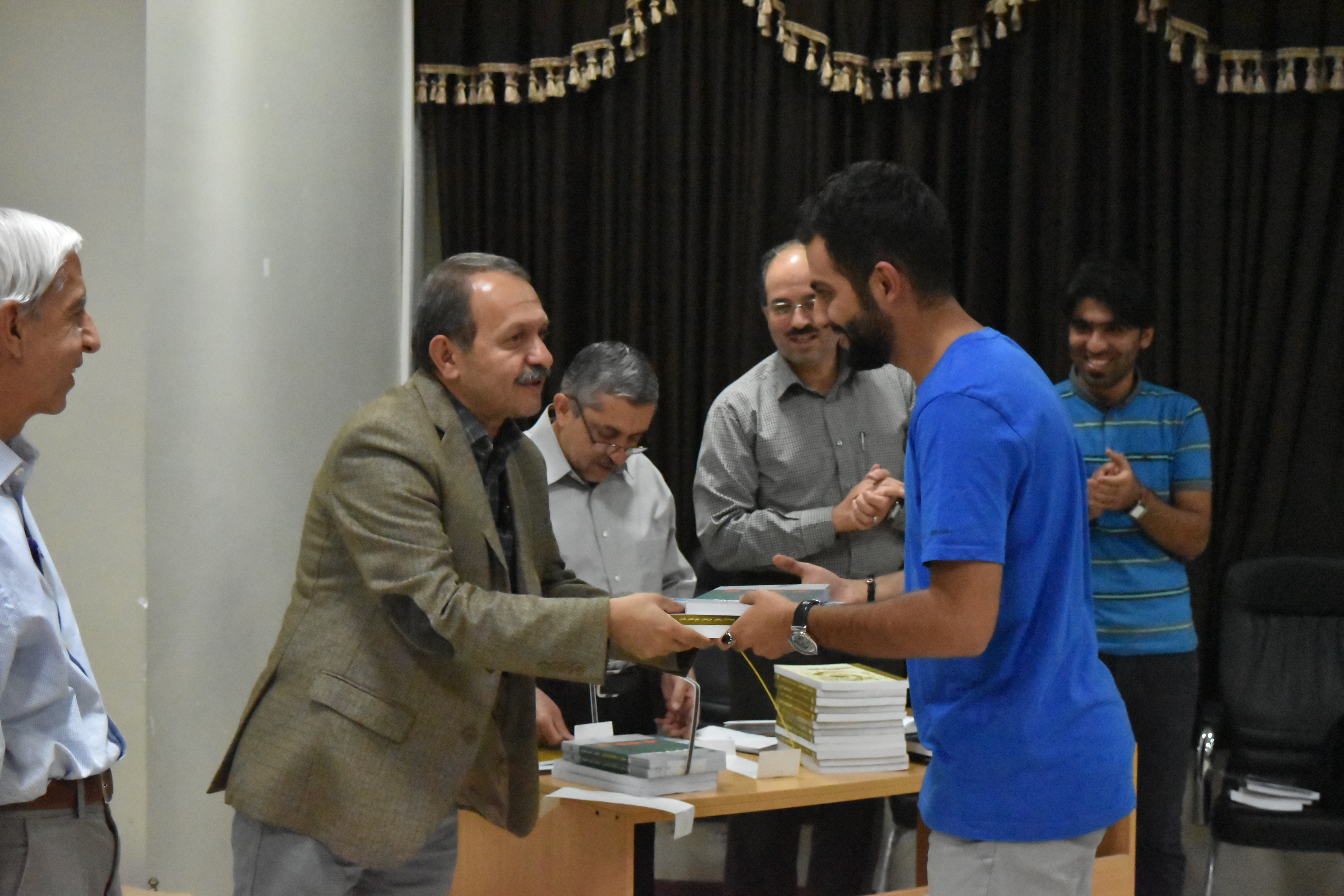
Award in Physics Teaching Contest (2017, 2018)
This competition saw 20 physics bachelor students of Shiraz University teach a topic of their choice. I won first and second place in two consecutive years teaching the application of optimization algorithms in physics and artificial neural networks.
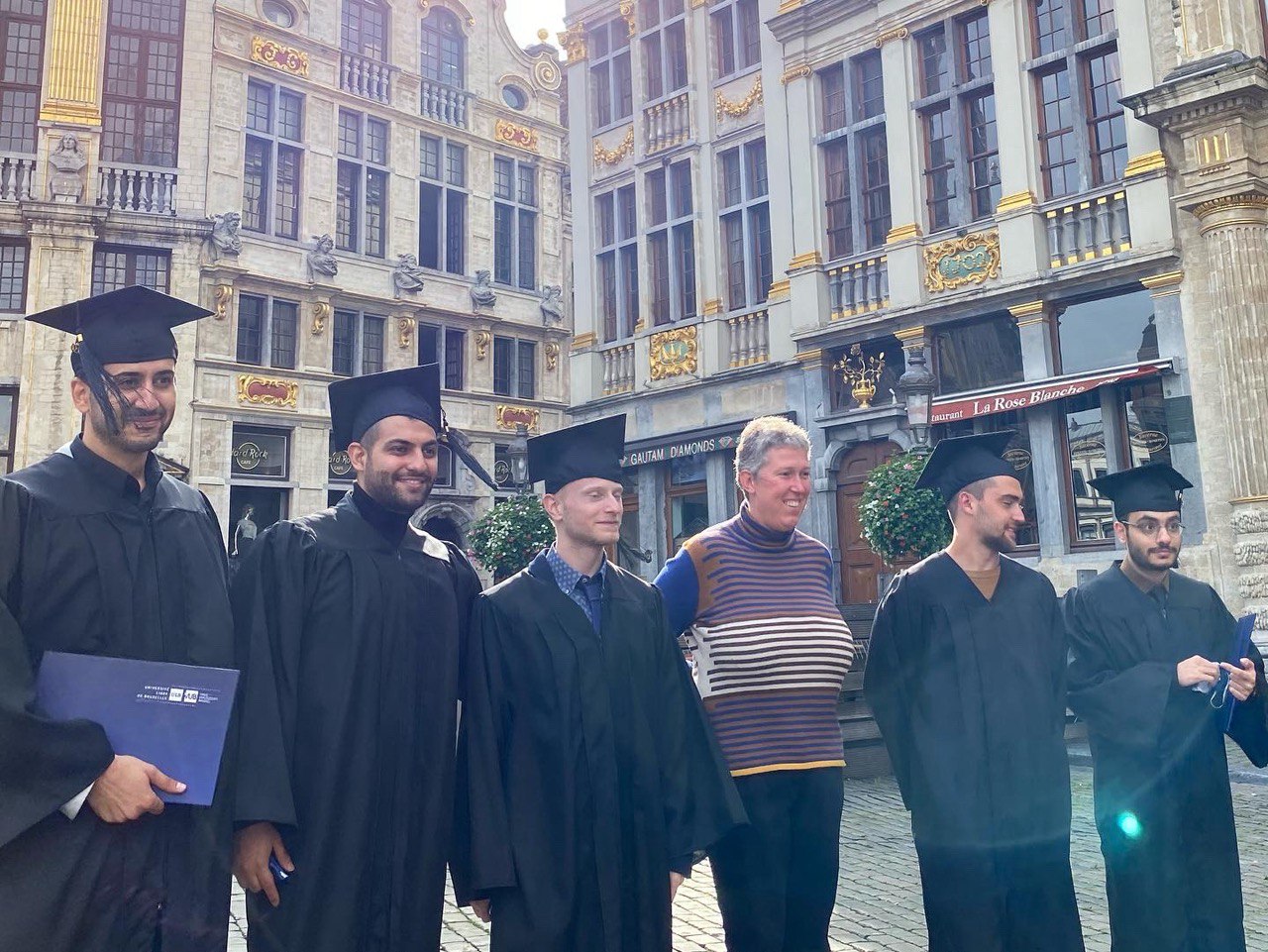
VUB Master Excellence Scholarship (2018-2020)
Being amongst the top 4 students of the Master of Science in Photonics Engineering programme, I received a 20000€ scholarship
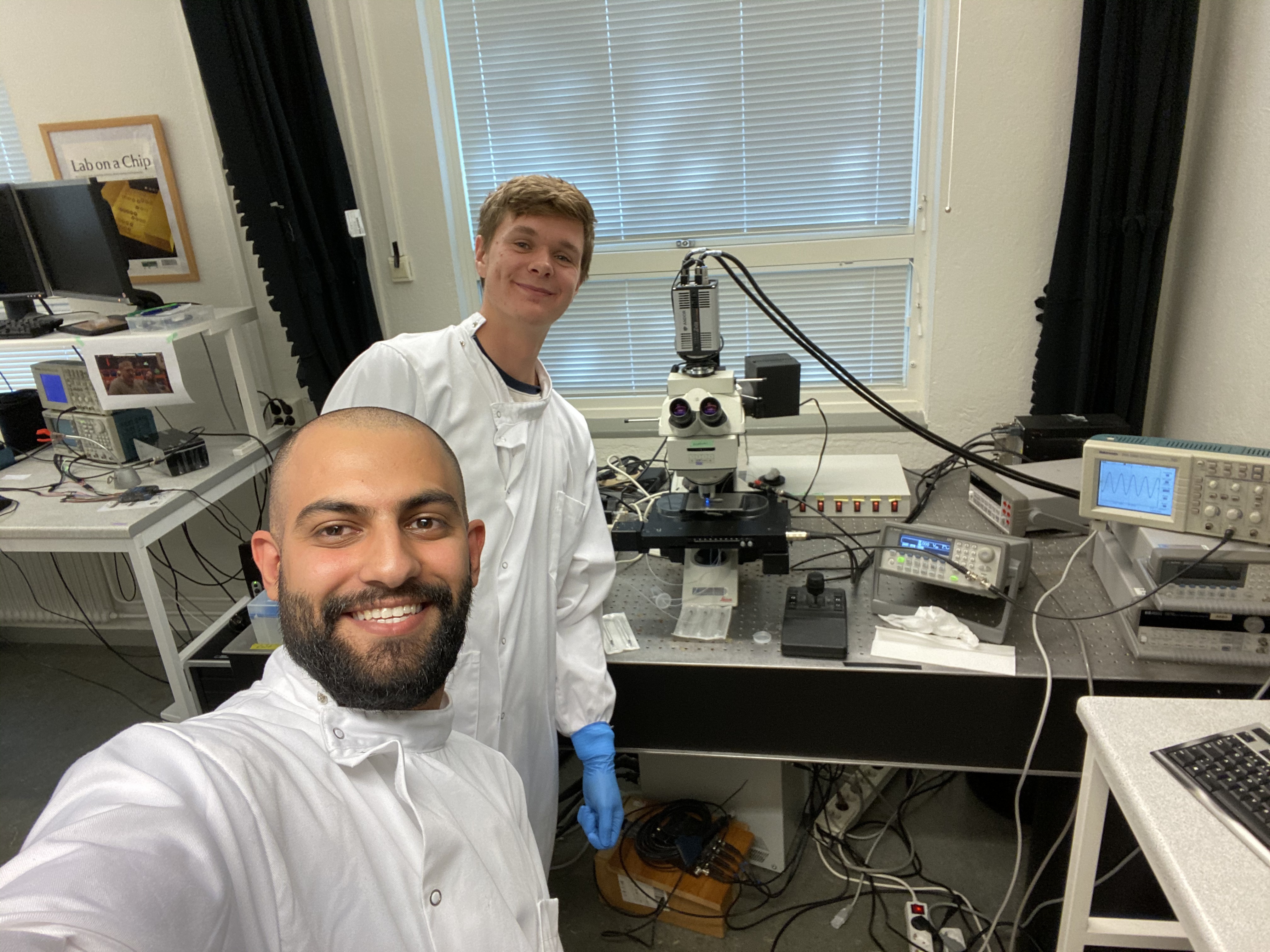
Erasmus+ Exchange Scholarship (2019-2020)
My Exchange period in Lund University (Sweden) during my masters was funded by an Erasmus+ scholarship (1500€).
Teaching

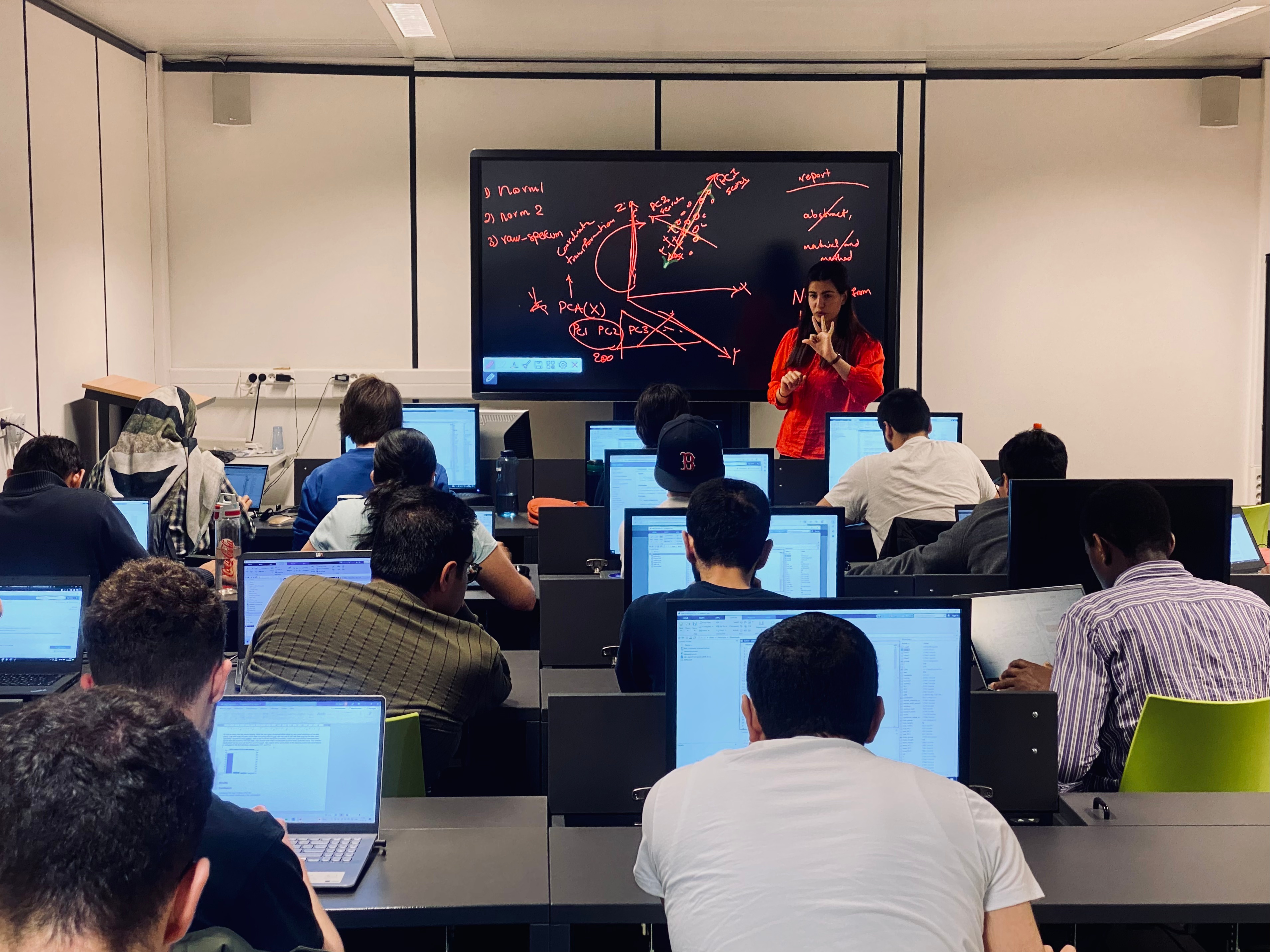
Laboratories in Photonics Research (2022-2025)
I have taught this course twice a year for the Master of Science in Photonics Engineering (MSPE) and Radiation and its Effects on MicroElectronics and Photonics Technologies (RADMEP) students.

Thesis Projects (2023-2025)
I have supervised four thesis projects on the implementation of nanoprinting, microfluics, and deep learning for SERS-based bacterial screening.
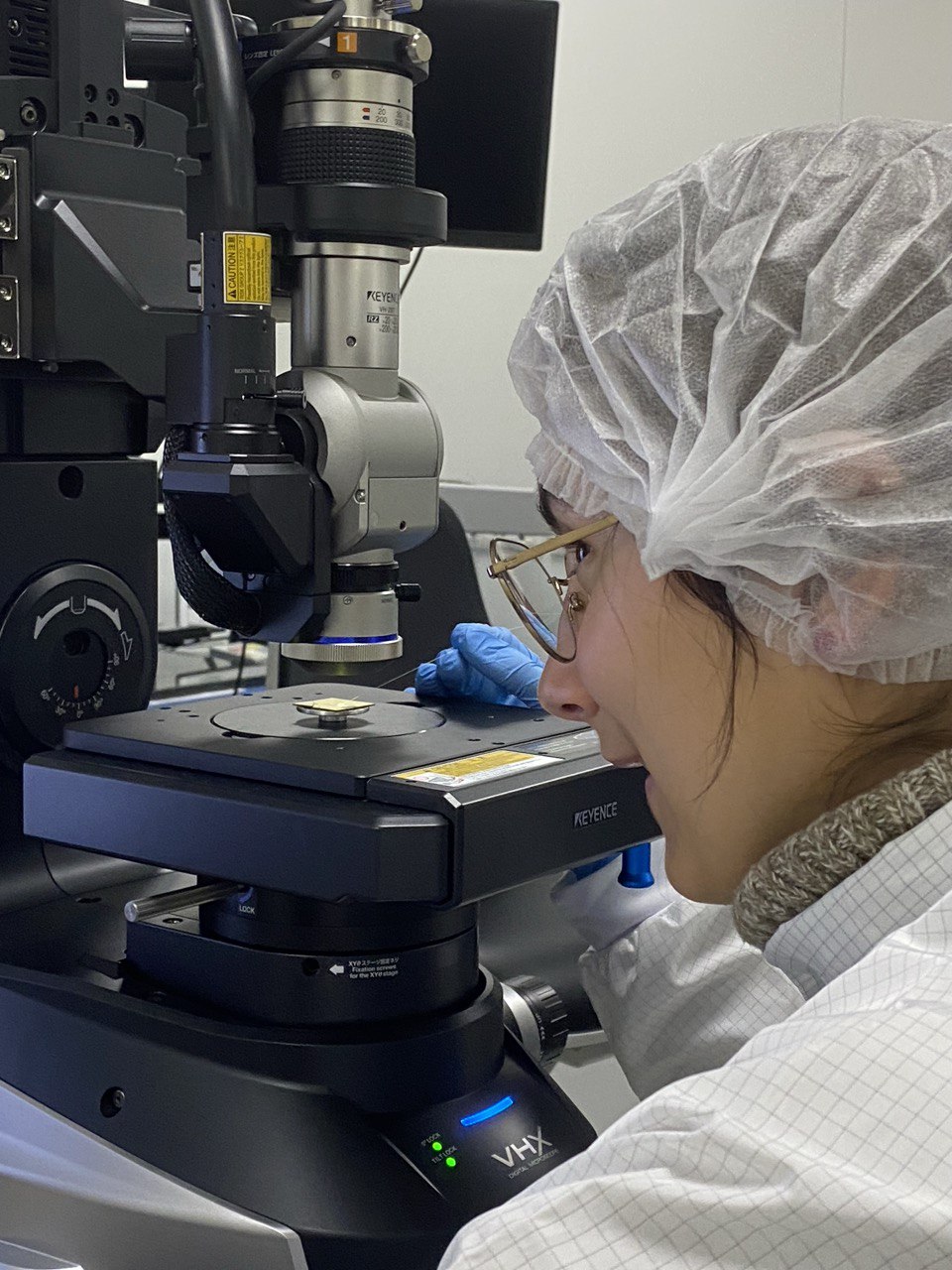
Internships (2021-2023)
We explored flexible membranes within a few internships, covering simulation (Ahmed Salama, Maryam Ibrahim) and 3D printing (Eloisa Manetti).
Courses (2021-2023)
I will be giving the Machine Learning in Photonics course for the Master of Science in Engineering Program.
References
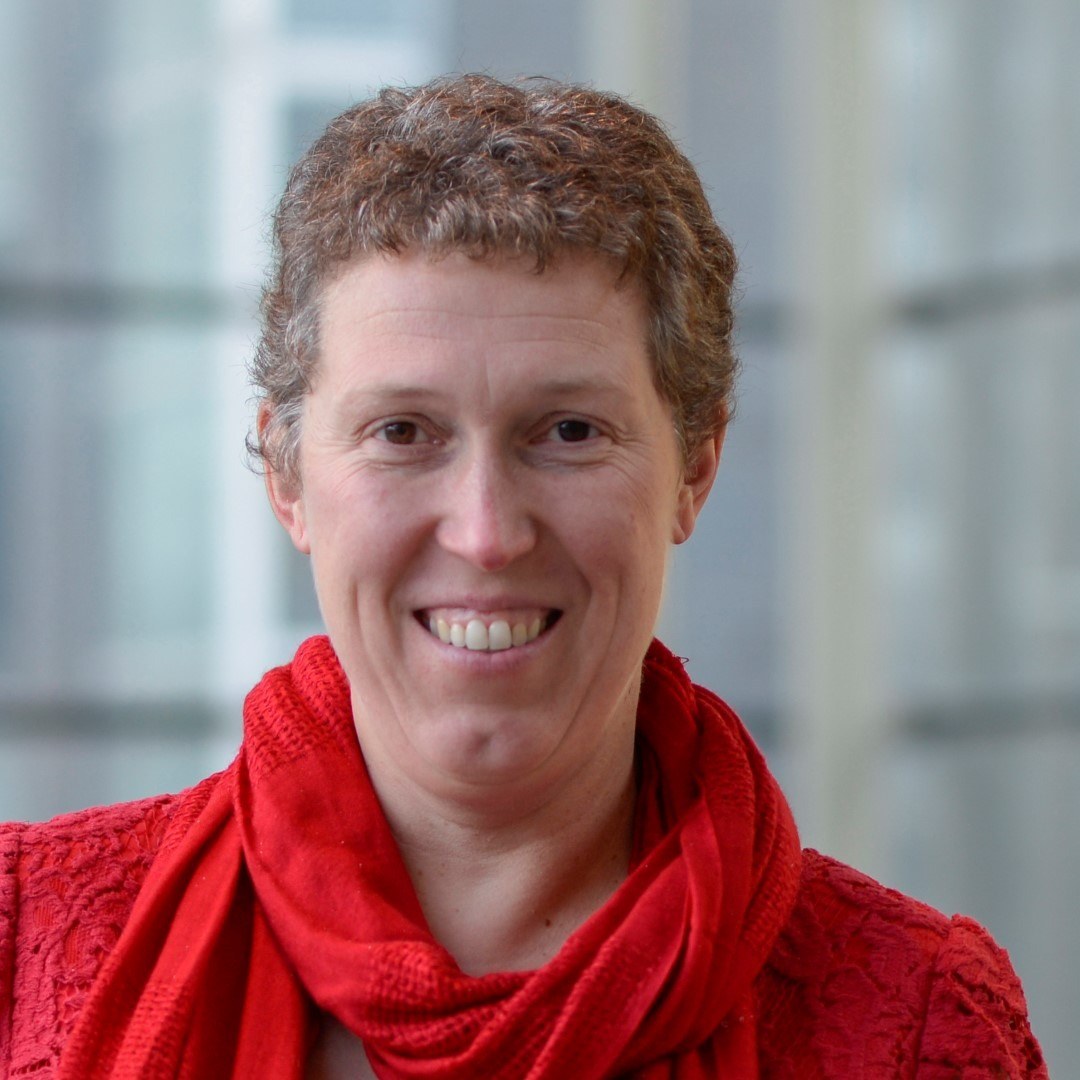
Prof. Heidi Ottevaere
PhD Project Promoter, Director of MSPE, Director of Applied Physics and Photonics Department

Prof. Wendy Meulebroeck
PhD Project Co-Promoter

Prof. Hugo Thienpont
Director of Brussels Photonics Team
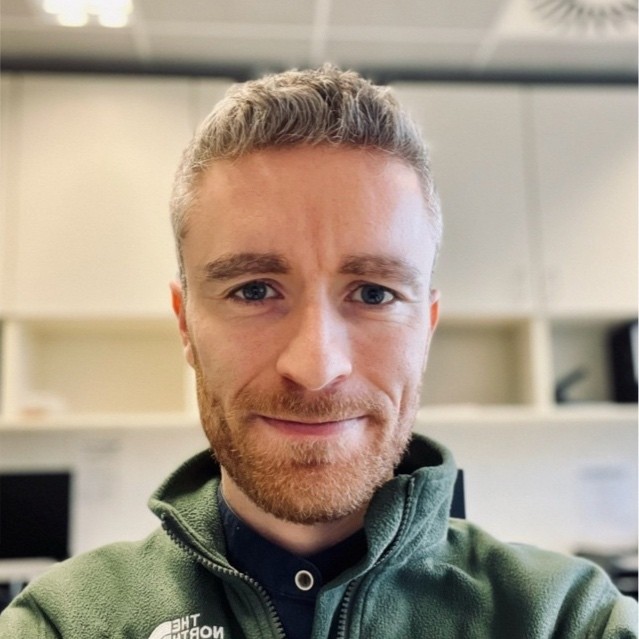
Prof. Thomas Demuyser
Collaborator from University Hospital of Antwerp
 Dr. Ir. Mehdi 'Arash' Feizpour